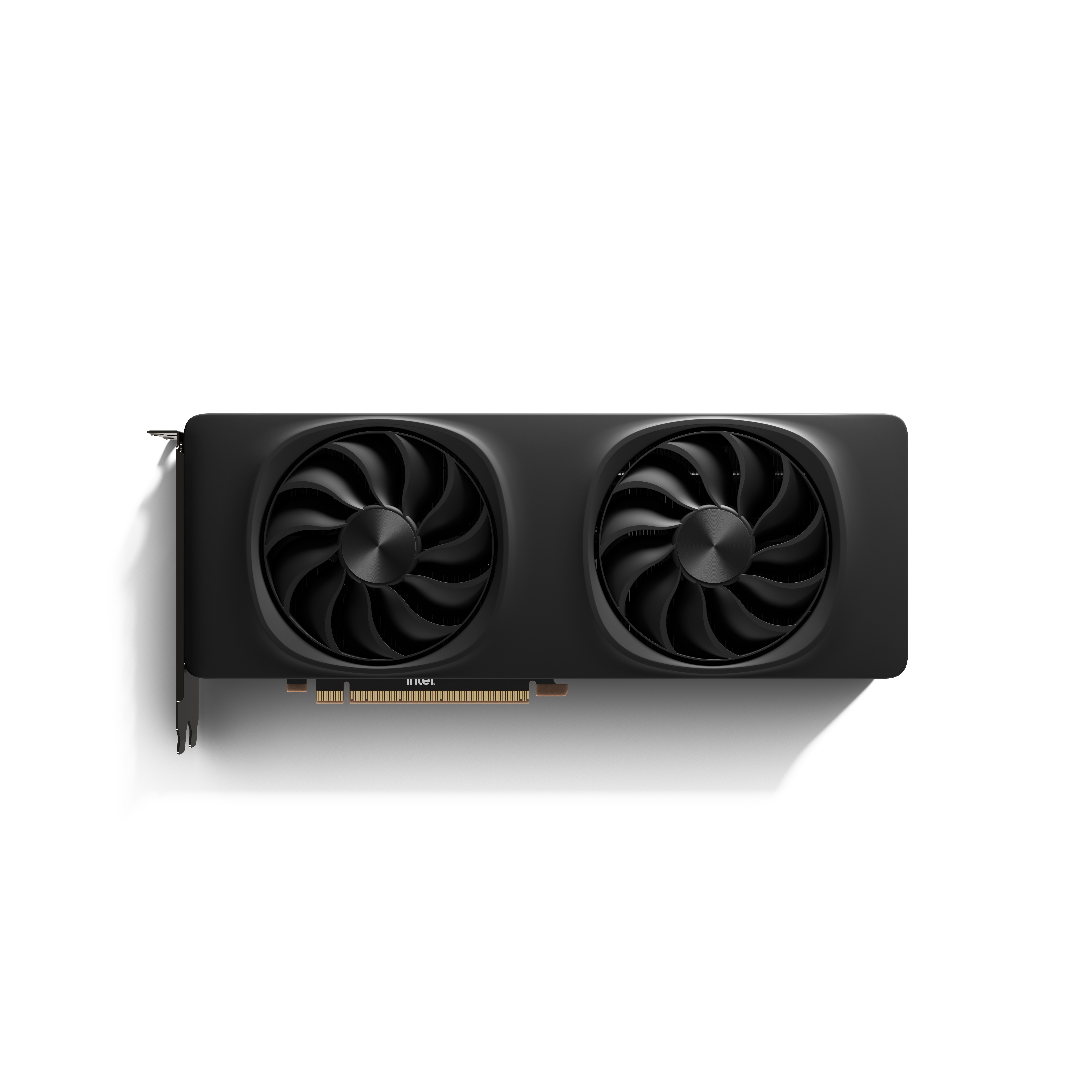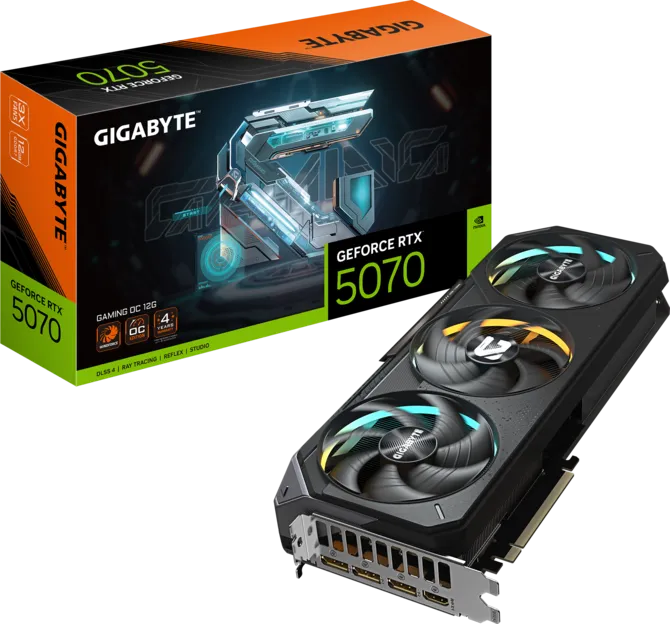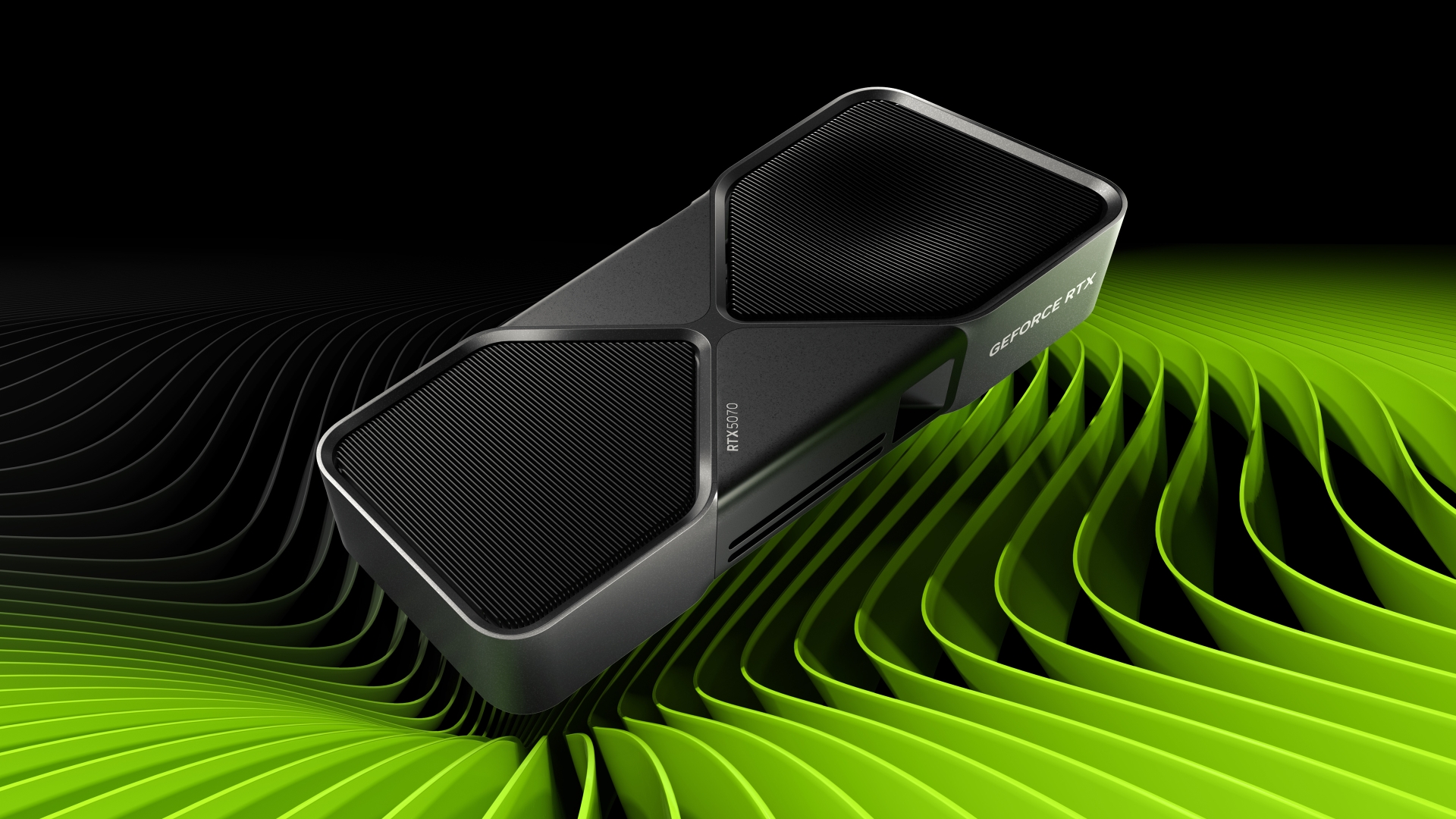
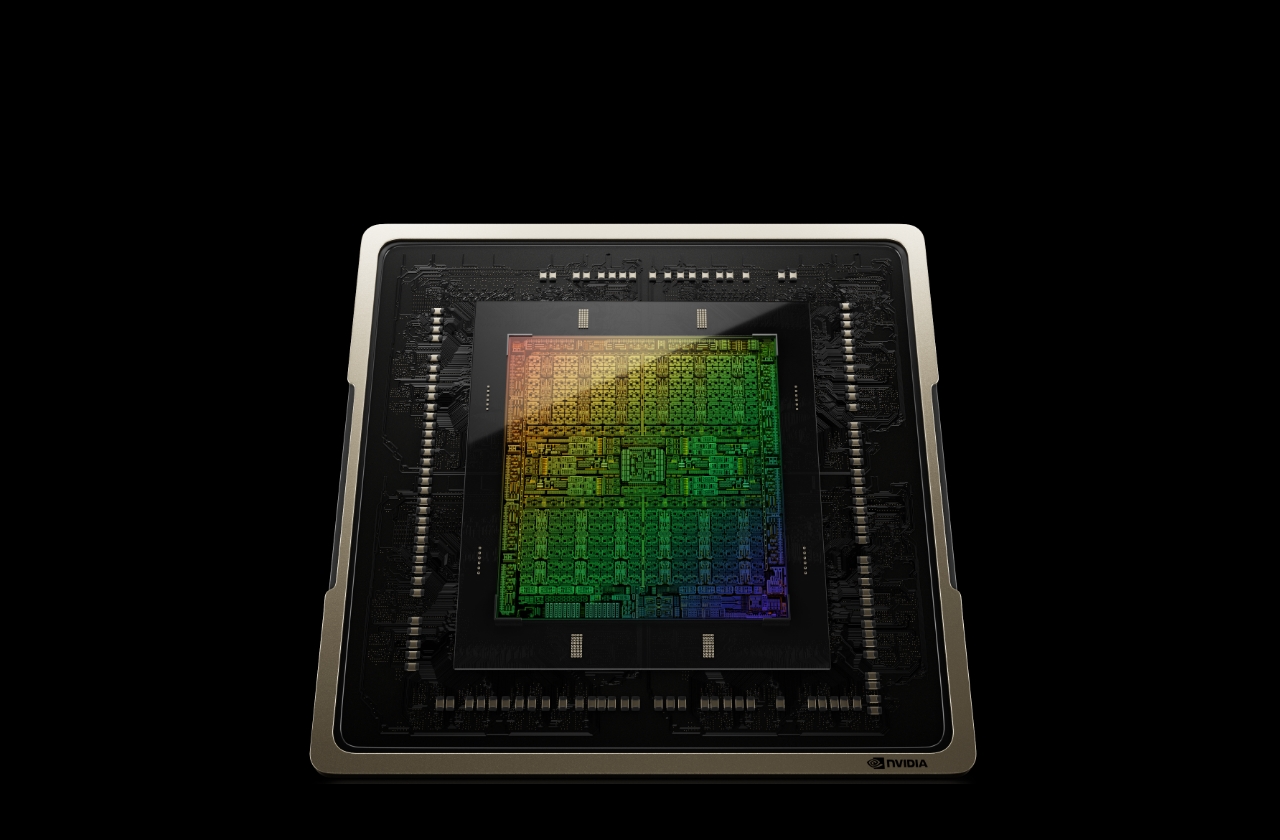
Ilustración de la familia.
Cuál es la mejor opción NVIDIA GeForce RTX 5070 o NVIDIA GeForce RTX 4070 Ti SUPER? ¿Qué tarjeta gráfica es más rápida?
Compare the available specifications of these models.
NVIDIA GeForce RTX 5070 has a base frequency of 2.33 GHz. Tamaño de la memoria 12 GB. Tipo de memoria GDDR7. Publicado en 2025-03-05.
NVIDIA GeForce RTX 4070 Ti SUPER has a base frequency of 2.34 GHz. Tamaño de la memoria 16 GB. Tipo de memoria GDDR6X. Publicado en 2024-01-24.
Razones a tener en cuenta
Razones a tener en cuenta Mayor velocidad de reloj
En 0% mejor velocidad de reloj
 2.33 GHz
Más memoria
33% más de memoria
12 GB
NVIDIA GeForce RTX 5070
Comparación de los datos técnicos básicos de las tarjetas gráficas NVIDIA GeForce RTX 5070 y NVIDIA GeForce RTX 4070 Ti SUPER, chip, unidades de procesamiento de información.
 Ada Lovelace
NVIDIA GeForce RTX 4070 Ti SUPER
8448
8448
Video memory capacity, type, bus width and bandwidth describe different properties. These values alone do not determine graphics performance.
-
256 bit
16 GB
GDDR6X
Published GPU clock frequencies describe different operating modes. Clock speed alone does not determine graphics performance.
2340 MHz
2610 MHz
Graphics card power limits and recommended system power supply describe different specifications.
90 °C
700 W (System power requirement)
285 W
Conectividad y conexiones.
4.0
Compatibilidad integrada con los estándares de compresión de vídeo e imagen.
Decode / Encode
Shared tests with results for both models: 13
Each row is a separate graphics subtest. Scores are not game FPS.
| Test and settings | NVIDIA GeForce RTX 5070 | NVIDIA GeForce RTX 4070 Ti SUPER | Result difference¹ |
|---|---|---|---|
| 3DMark – Steel Nomad — Steel Nomad Score / DirectX 12 | 4838 points Base GPU test: Nvidia GeForce RTX 5070 VRAM: 12 GBOS: Windows 11Graphics API: DirectX 12HVCI: enabledApplication version unreported | 5581 points Base GPU test: Nvidia GeForce RTX 4070 Ti Super VRAM: 16 GBOS: Windows 11Graphics API: DirectX 12HVCI: enabledApplication version unreported | +15.4 % |
| 3DMark – Time Spy — Graphics Score / DirectX 12 | 22267 points Base GPU test: Nvidia GeForce RTX 5070 VRAM: 12 GBTest CPU: AMD Ryzen 9 7950X3DOS: Windows 11Graphics API: DirectX 12HVCI: enabledApplication version unreported | 24404 points Base GPU test: Nvidia GeForce RTX 4070 Ti Super VRAM: 16 GBTest CPU: AMD Ryzen 9 7950X3DOS: Windows 11Graphics API: DirectX 12HVCI: enabledApplication version unreported | +9.6 % |
Each row uses one Blender version, operating system and compute backend.
| Test and settings | NVIDIA GeForce RTX 5070 | NVIDIA GeForce RTX 4070 Ti SUPER | Result difference¹ |
|---|---|---|---|
| Blender 5.2.0 / OPTIX / Windows | 5767.65523 samples/min Submissions: 157 | 6961.227734 samples/min Submissions: 42 | +20.7 % |
| Blender 5.1.1 / OPTIX / Linux | 6377.213977 samples/min Submissions: 36 | 7417.43604 samples/min Submissions: 7 | +16.3 % |
| Blender 5.1.1 / OPTIX / Windows | 5932.112448 samples/min Submissions: 226 | 7058.756179 samples/min Submissions: 57 | +19.0 % |
| Blender 5.1.0 / OPTIX / Windows | 5879.888246 samples/min Submissions: 85 | 7146.252511 samples/min Submissions: 14 | +21.5 % |
| Blender 5.0.0 / OPTIX / Windows | 5621.534179 samples/min Submissions: 31 | 6540.235565 samples/min Submissions: 9 | +16.3 % |
| Blender 4.5.0 / OPTIX / Linux | 6583.233133 samples/min Submissions: 71 | 7401.239808 samples/min Submissions: 30 | +12.4 % |
| Blender 4.5.0 / OPTIX / Windows | 6156.449706 samples/min Submissions: 843 | 7086.688923 samples/min Submissions: 223 | +15.1 % |
| Blender 4.4.0 / OPTIX / Linux | 6599.280337 samples/min Submissions: 31 | 7462.023189 samples/min Submissions: 16 | +13.1 % |
| Blender 4.4.0 / OPTIX / Windows | 6161.53544 samples/min Submissions: 405 | 7102.956728 samples/min Submissions: 224 | +15.3 % |
| Blender 4.3.0 / OPTIX / Windows | 6082.558299 samples/min Submissions: 35 | 6996.671596 samples/min Submissions: 494 | +15.0 % |
| Blender 4.2.0 / OPTIX / Windows | 6064.893658 samples/min Submissions: 9 | 6996.166673 samples/min Submissions: 358 | +15.4 % |
¹ Difference of the second result relative to the first in that row. No percentage is calculated for different upscaling algorithms. This compares published results, not a universal performance index.
A base GPU test is a reference for cards using that GPU and the same memory capacity. Board overclocking, cooling and power limits can change the result.
These results have no shared test of both models with the same version and settings. They are shown separately without a percentage difference.


 English
 Russian
 German
 Portuguese
 Italian
 French
 Japan
 Polish
 Chinese
 Korean