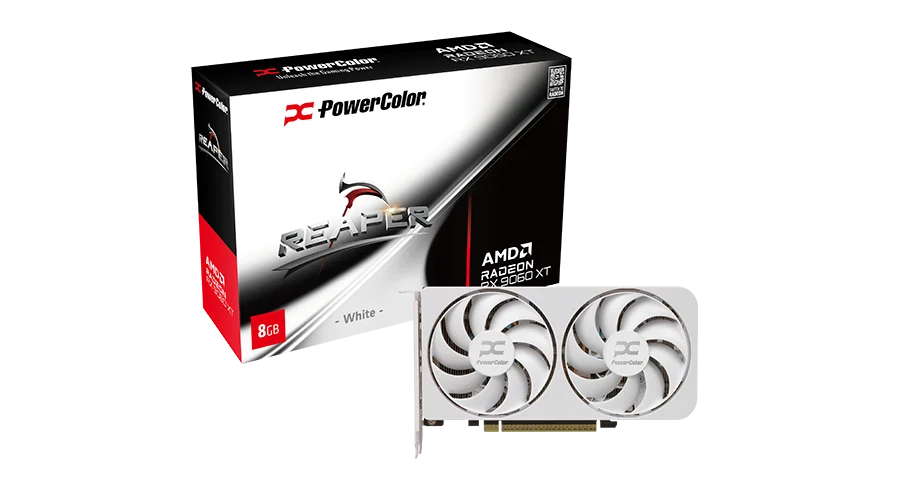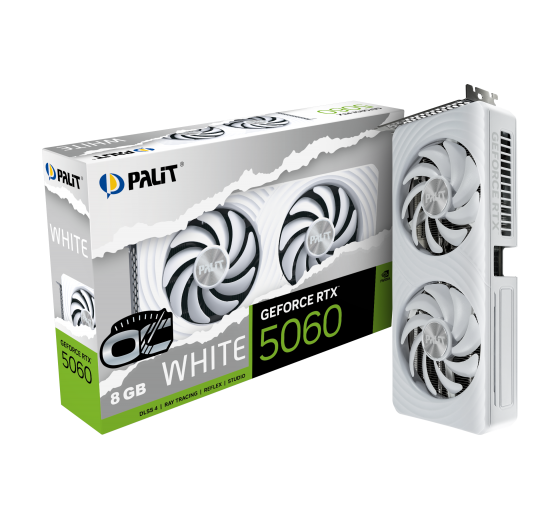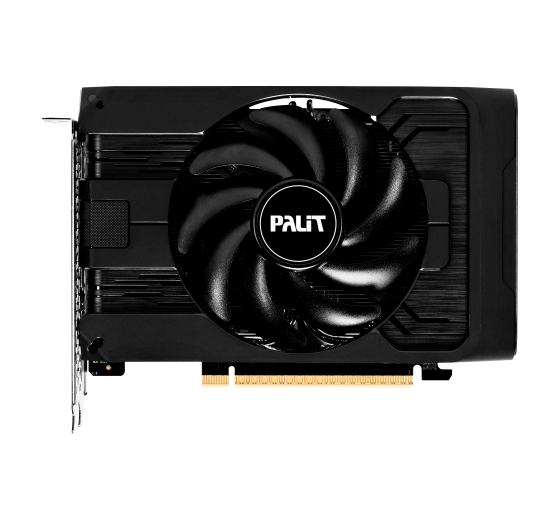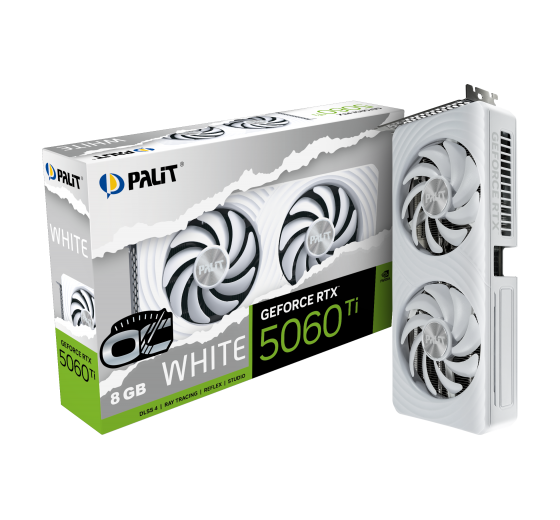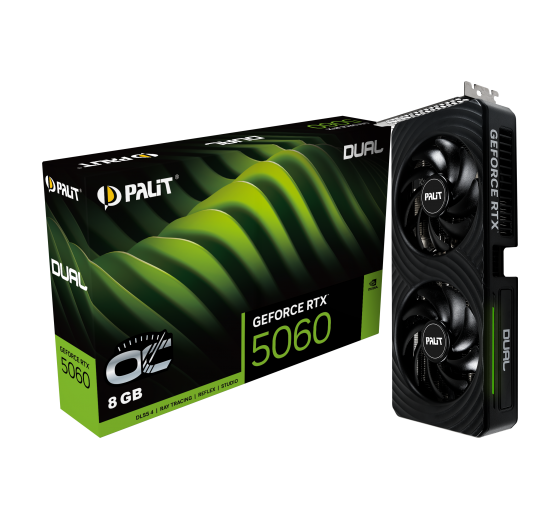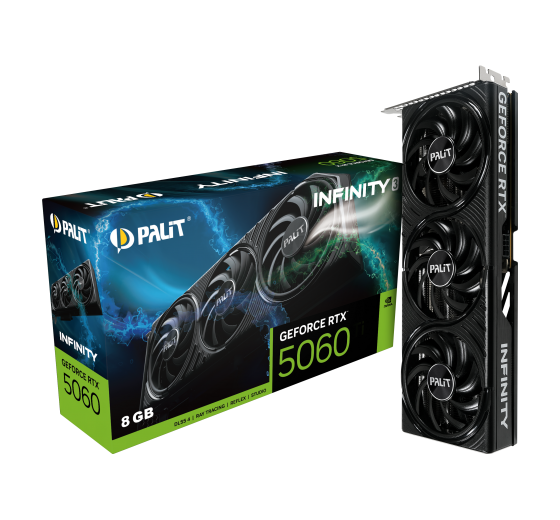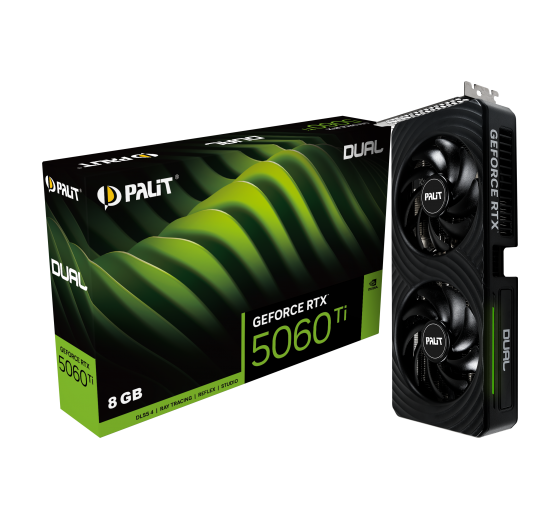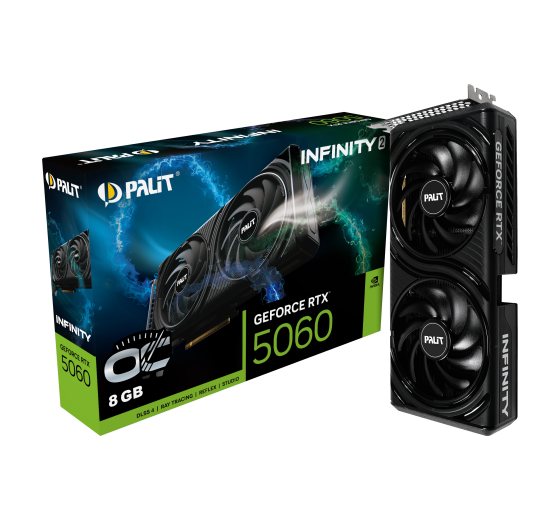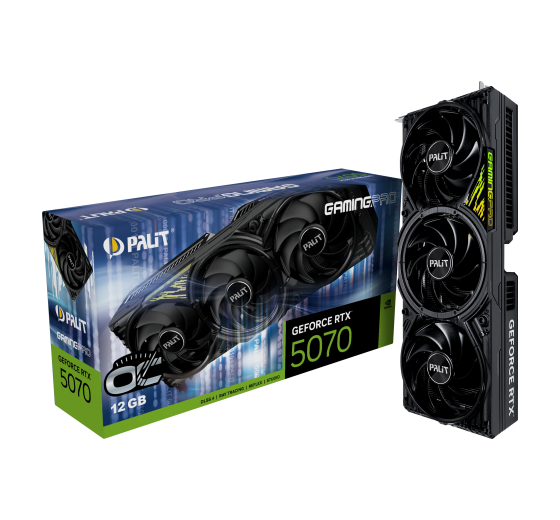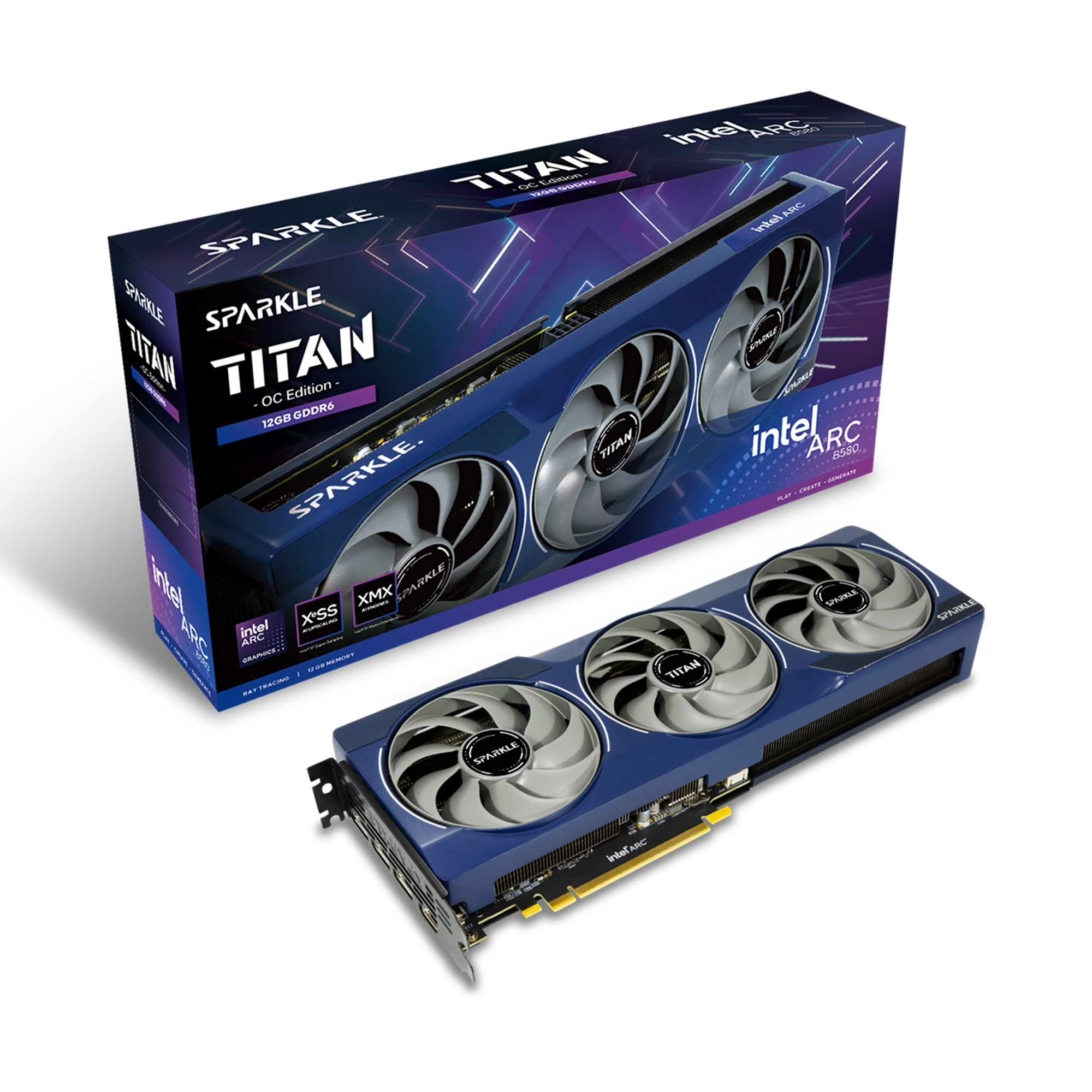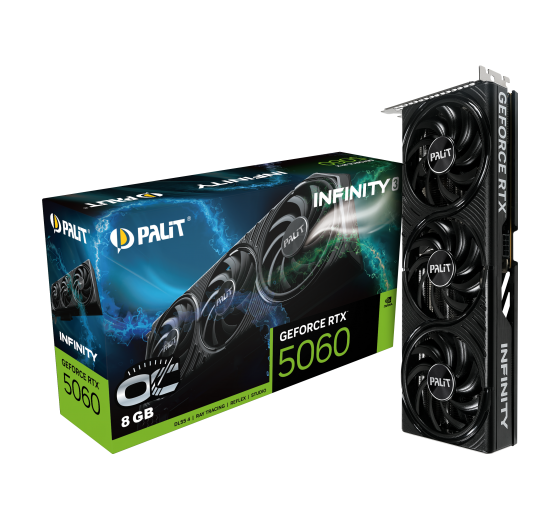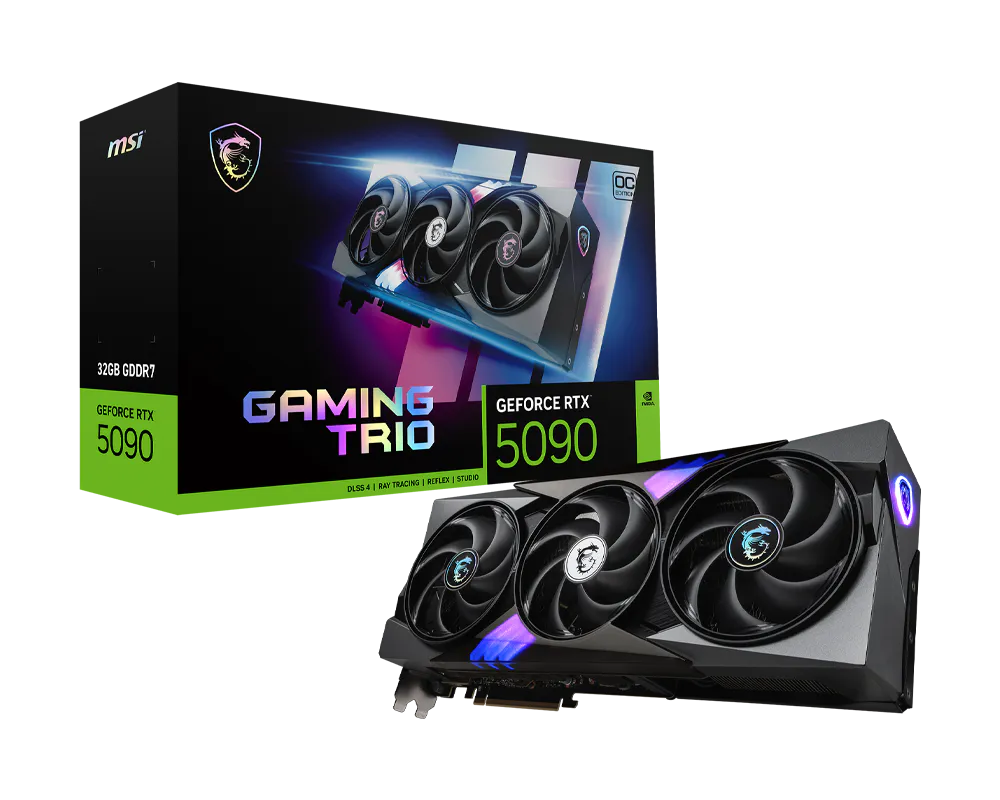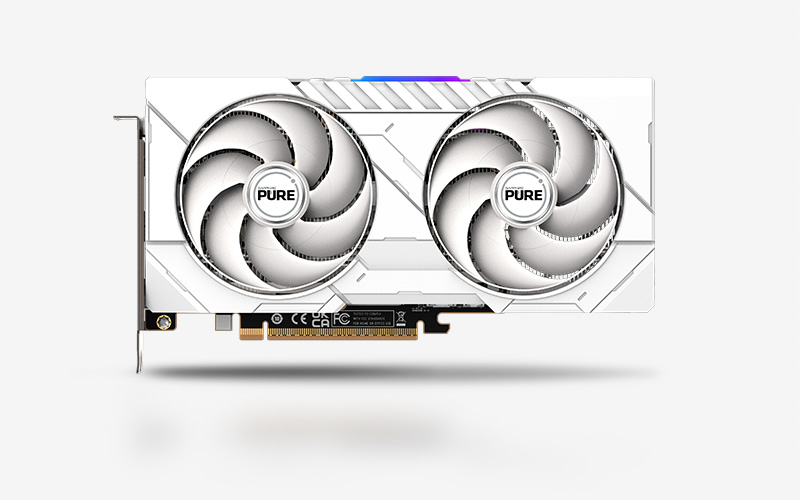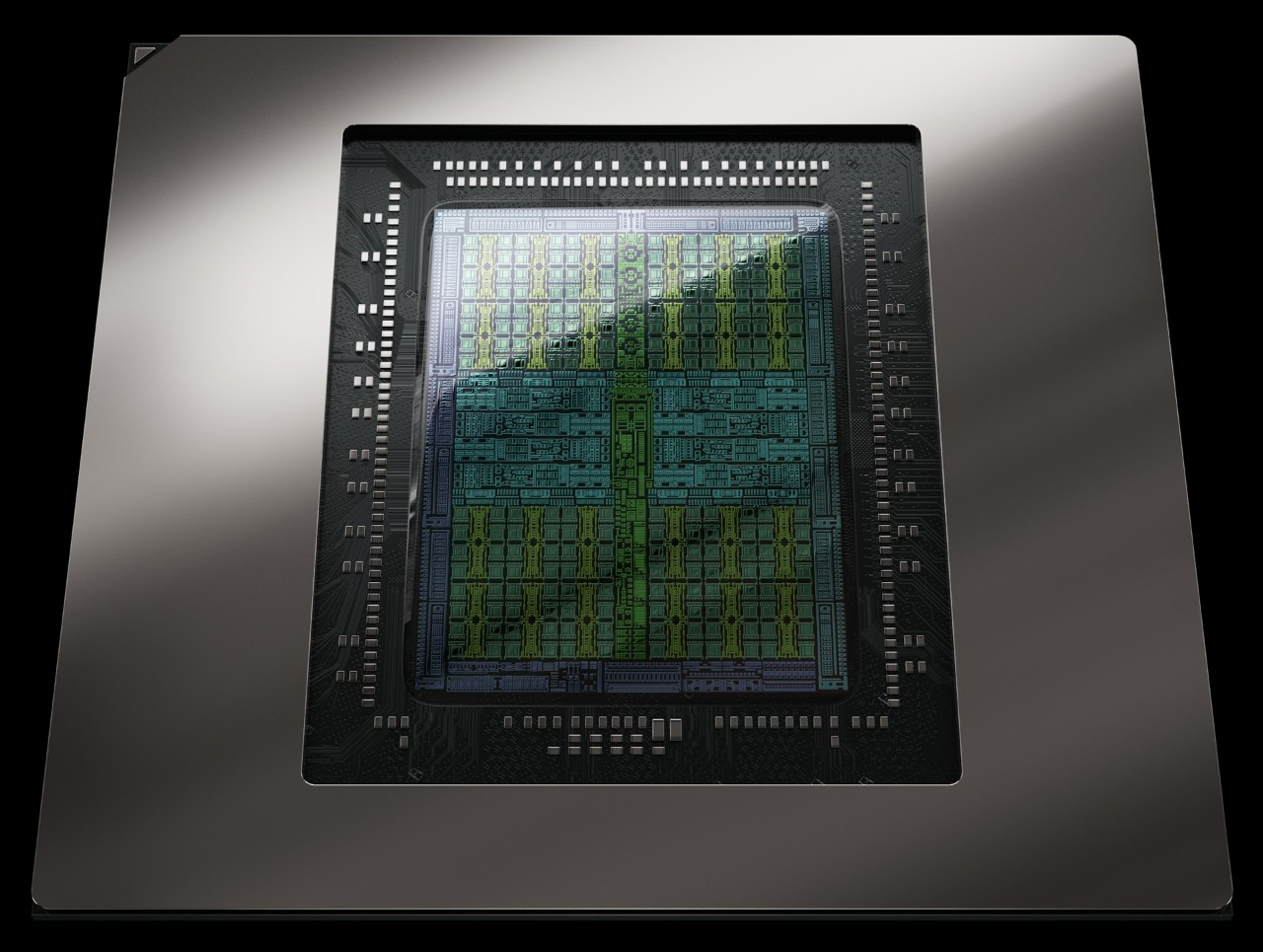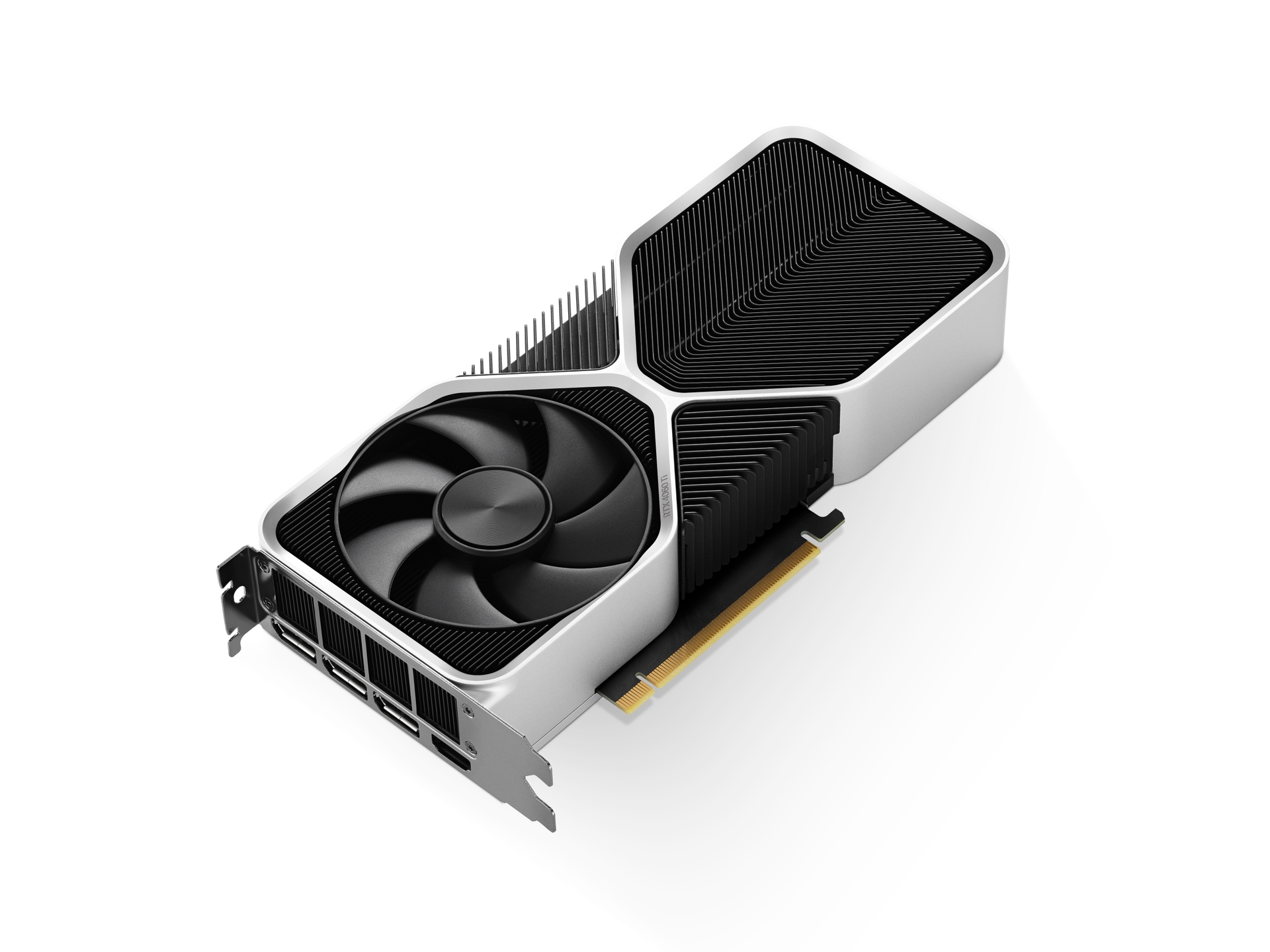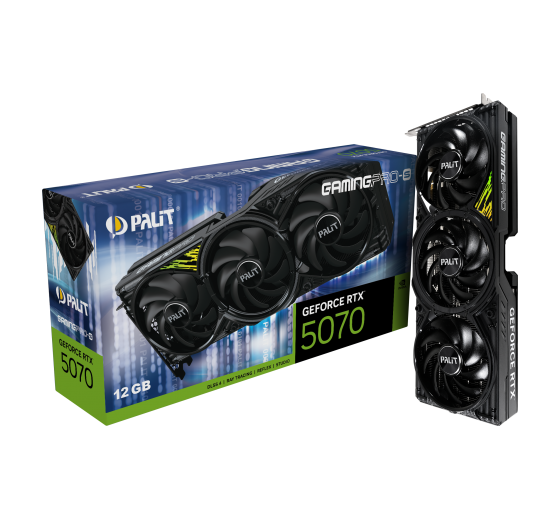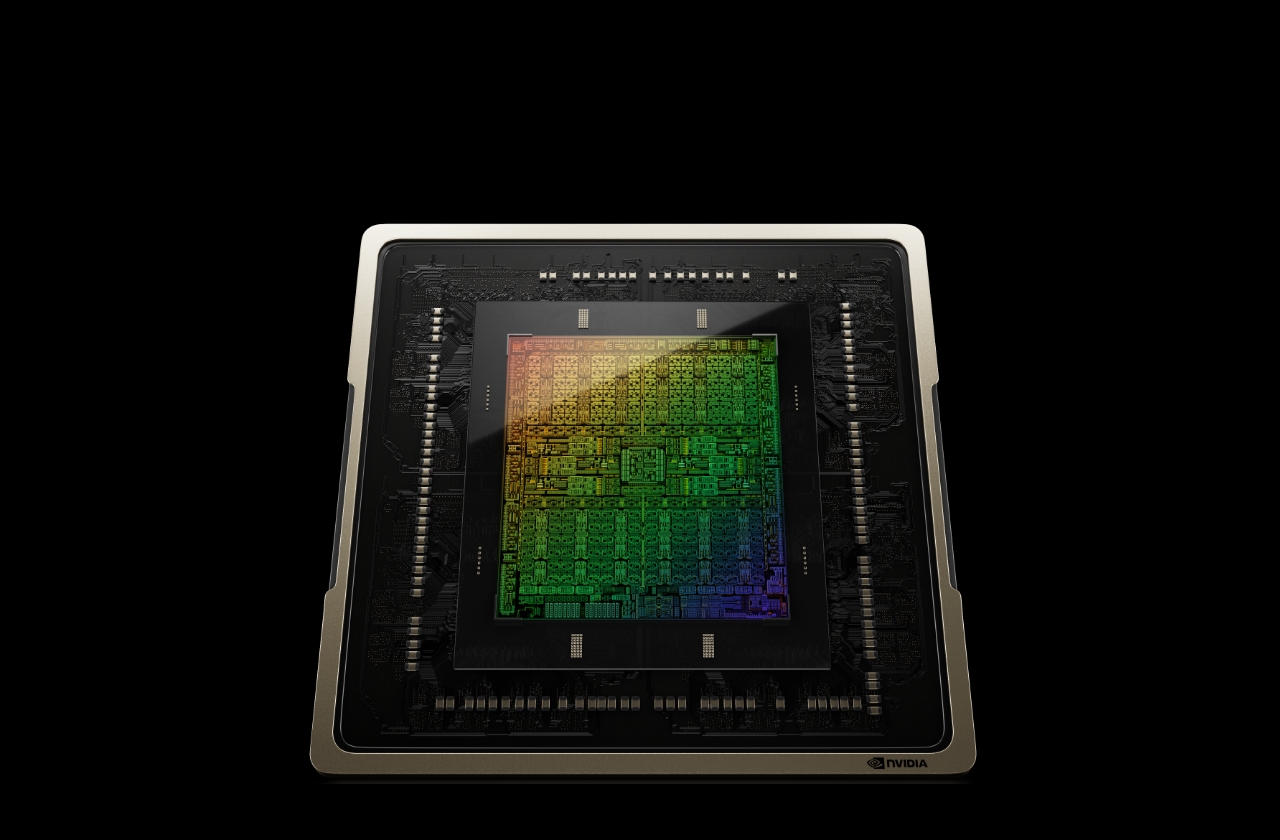
Family illustration. NVIDIA Corporation
What's the best choice NVIDIA GeForce RTX 4070 Ti SUPER or NVIDIA GeForce GTX 1630? Which graphics card is faster?
Compare the available specifications of these models.
NVIDIA GeForce RTX 4070 Ti SUPER has a base frequency of 2.34 GHz. Memory size 16 GB. Memory type GDDR6X. Released in 2024-01-24.
NVIDIA GeForce GTX 1630 has a base frequency of 1.74 GHz. Memory size 4 GB. Memory type GDDR6. Released in Q2/2022.
Reasons to consider Higher clock speed
Around 34% better clock speed
 1.74 GHz
More memory
300% more memory
4 GB
Common positions NVIDIA GeForce RTX 4070 Ti SUPER GPU in popular benchmarks, for comparison with other models.
No data
Reasons to consider Common positions NVIDIA GeForce GTX 1630 GPU in popular benchmarks, for comparison with other models.
No data
NVIDIA GeForce RTX 4070 Ti SUPER
Comparison of basic technical data of graphics cards NVIDIA GeForce RTX 4070 Ti SUPER and NVIDIA GeForce GTX 1630, chip, information processing units.
 Turing
-
512
-
512
TU117
64 KB
1024 KB
16
32
Turing
-
512
-
512
TU117
64 KB
1024 KB
16
32
Video memory capacity, type, bus width and bandwidth describe different properties. These values alone do not determine graphics performance.
64 bit
4 GB
GDDR6
96 GB/s
1500 MHz
12 Gbps
Published GPU clock frequencies describe different operating modes. Clock speed alone does not determine graphics performance.
1740 MHz
1785 MHz
Graphics card power limits and recommended system power supply describe different specifications.
90-94 °C
300 W (Minimum system power requirement)
75 W
PG174 SKU 0
75 W
Connectivity and connections.
CIe 3.0 x8
1 × DisplayPort 1.4a
1 × DVI
1 × HDMI 2.0
HDMI 2.0b; DL-DVI-D; DP 1.4a
6-pin
Technical data that is used to its full potential in computer games.
7.5
12.1
2560 × 1440
3.0
4.6
6.6
1.3
Built-in support for video and image compression standards.
-
Comparison of interfaces and release dates for GPU NVIDIA GeForce GTX 1630 and NVIDIA GeForce RTX 4070 Ti SUPER.
https://www.nvidia.com/en-us/geforce/graphics-cards/compare/
-
2026-09-30
NVIDIA Founders Edition/reference design. Clock specifications apply to gaming use. AIB shipping specifications and complete-system power needs may differ.
Yes
12 nm
Q2/2022
Explicit manufacturer fields refreshed; other original historical fields retained, not all reverified. Partial composite conflicts are preserved.
3.656 TFLOPS
1.828 TFLOPS
0.05712 TFLOPS
28.56 GPixel/s
57.12 GTexel/s
No comparable benchmark results are available yet. Specifications alone do not determine which model is faster.
These are saved results from the earlier catalog. Measurement dates and test configurations were not recorded. Models with no comparable results are omitted.
Recent models: test results with identified primary sources — Game frame rates


 Russian
 German
 Portuguese
 Italian
 French
 Japan
Japan Spanish
 Polish
 Chinese
 Korean